Earth Goddess
I went to see the Ana Mendieta exhibition at Tate Modern last week. Mendieta was a Cuban-American performance artist, sculptor, painter, and video artist who is best known for her ‘earth-body’ artwork in which she places her body - or highlights the absence of her body - in the landscape. Sometimes she used things found in the landscape such as mud, sticks or leaves. Sometimes she used blood and fire and water. Her work focused primarily on feminist issues, particularly violence toward women. She also had a fascination with the concept of female mysticism and primitive rituals.
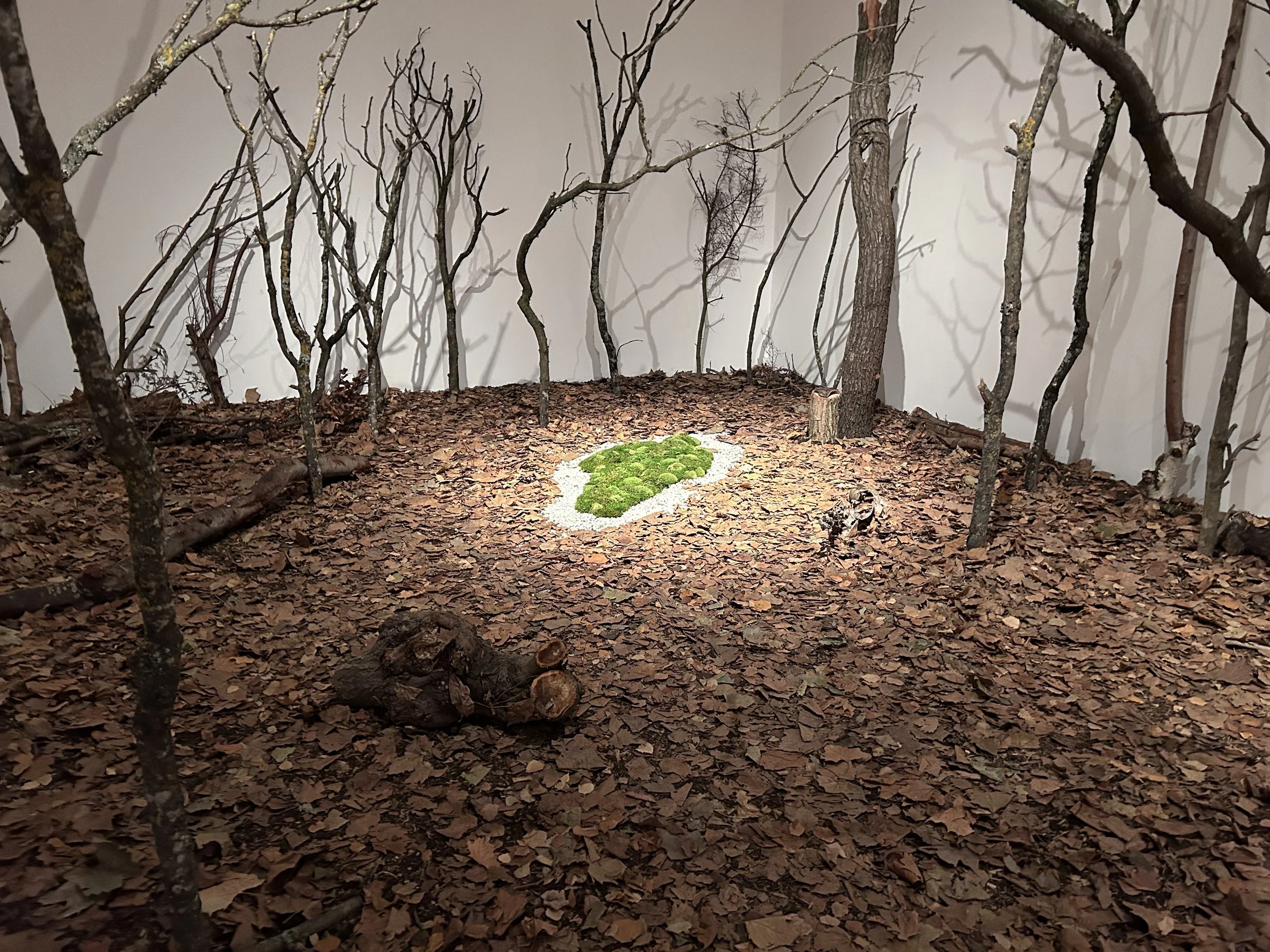
Mendieta died on September 8, 1985, in New York City, after falling from her 34th-floor apartment. She lived there with her husband of eight months, minimalist sculptor Carl Andre - famous for his ‘pile of bricks’. The circumstances of her death were controversial as neighbours claimed that they heard her shouting “No” multiple times immediately before the fall. Andre told police it was a suicide and was acquitted of murder but there are many who think differently. Mendieta was just 36 years old.
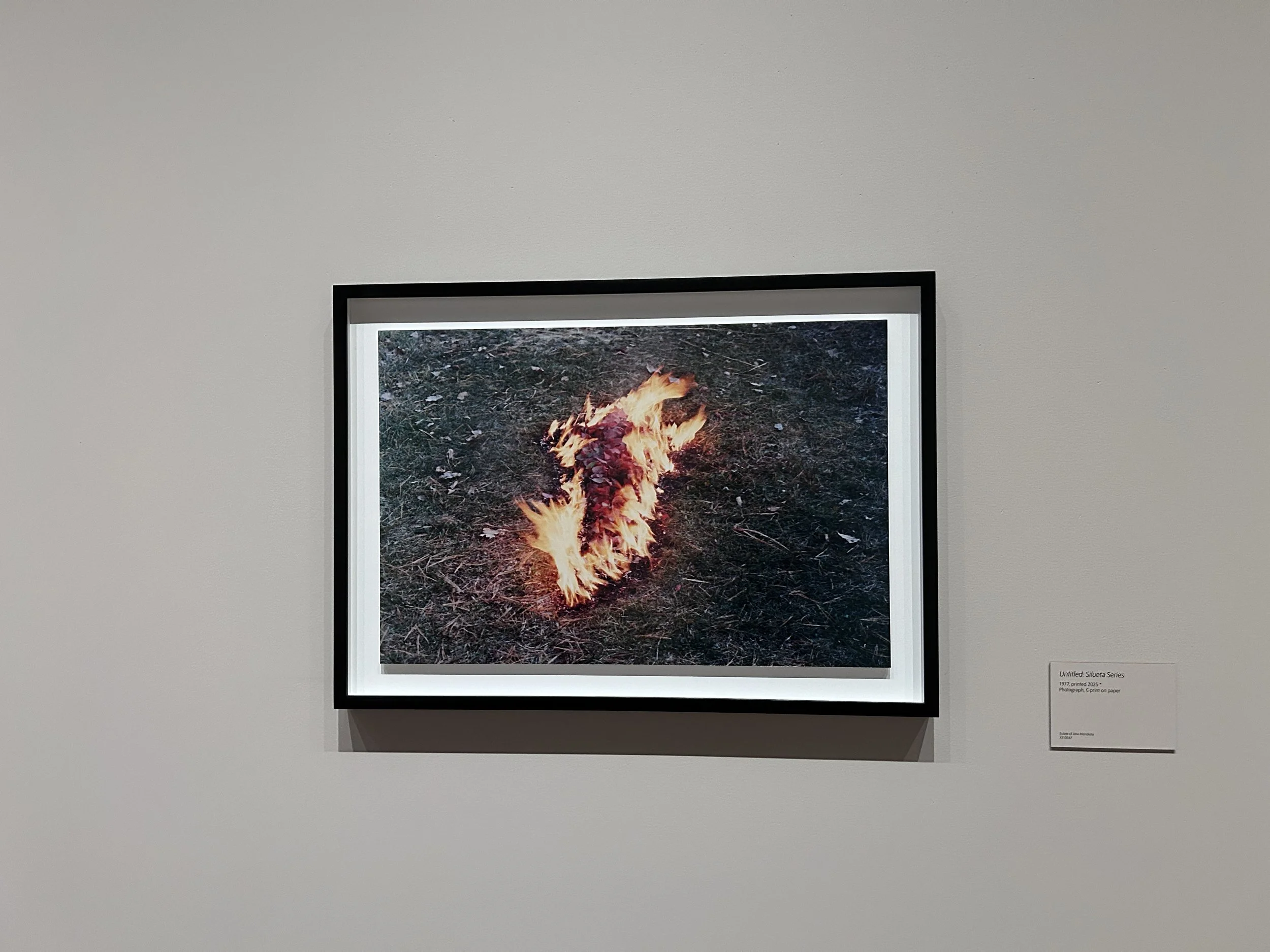
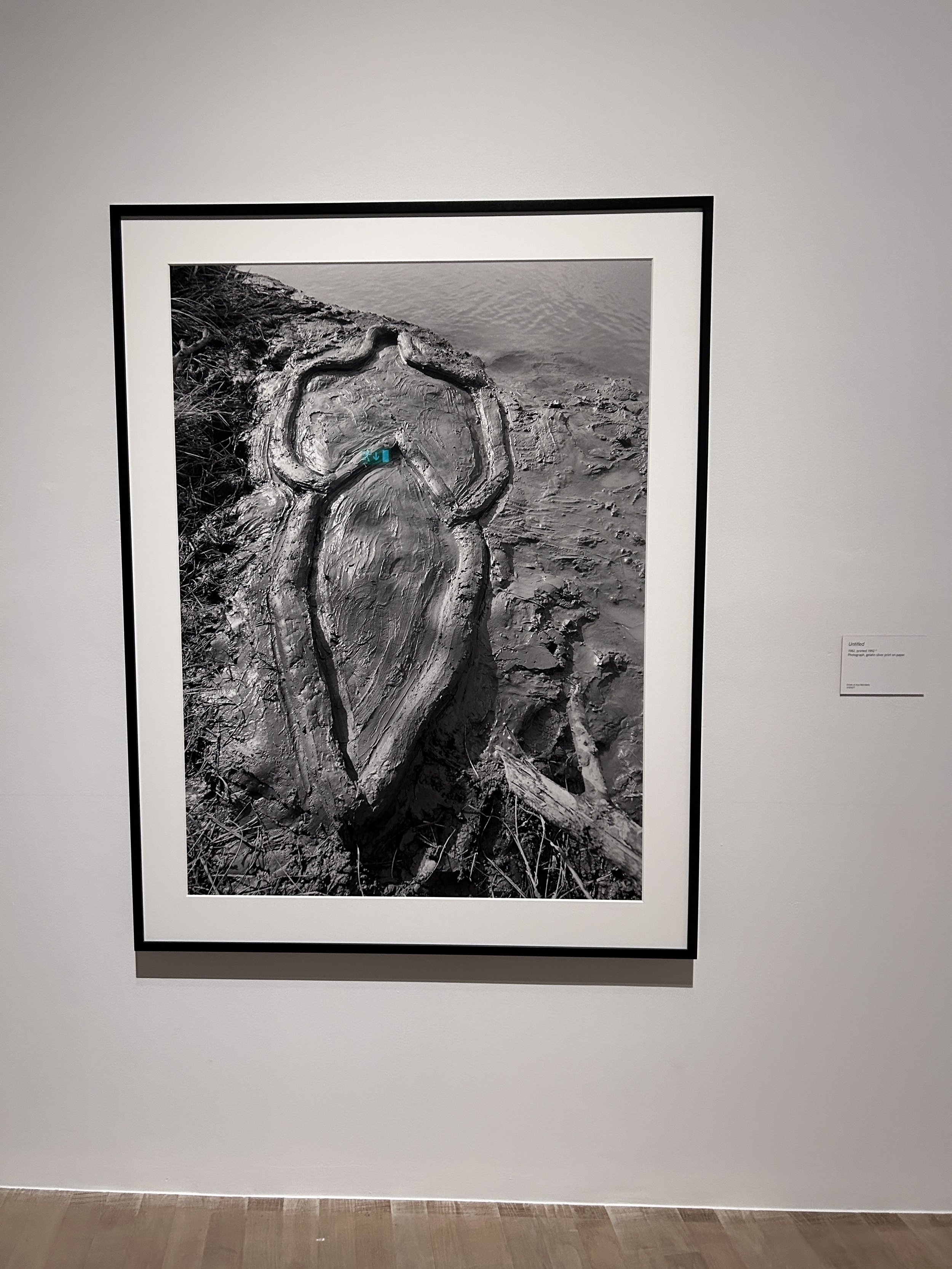
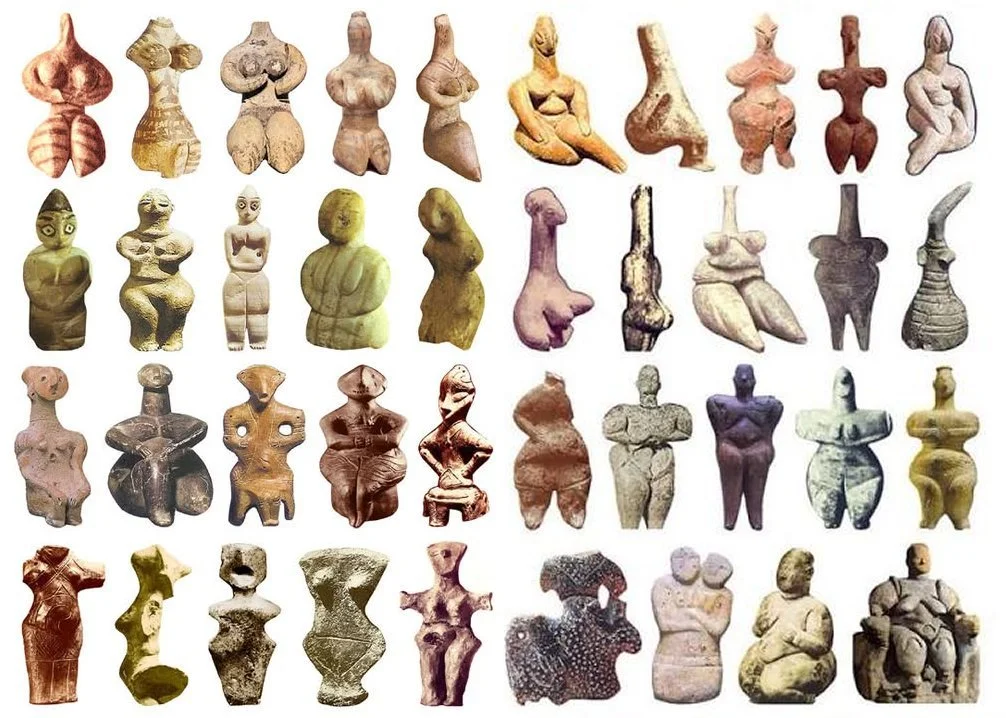
It was a very moving, occasionally shocking, and fascinating exhibition. For me - as a folklorist - I was fascinated to see how much of her imagery mirrored that of the ancients. Many pieces reminded me of the so-called ‘Venus’ figurines that we’ve found in excavations all over the world.
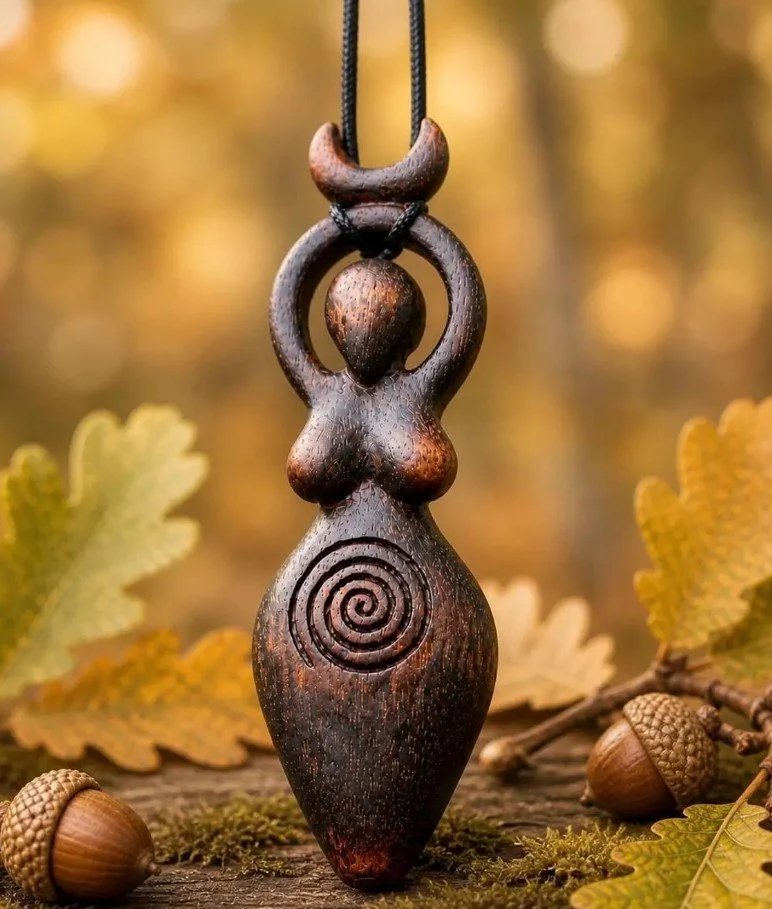
I was also reminded of the divine feminine/Earth mother/goddess figurines popular in modern neopaganism. You can find variants of them in almost any shop that specialises in New Age philosophy or esoterica.
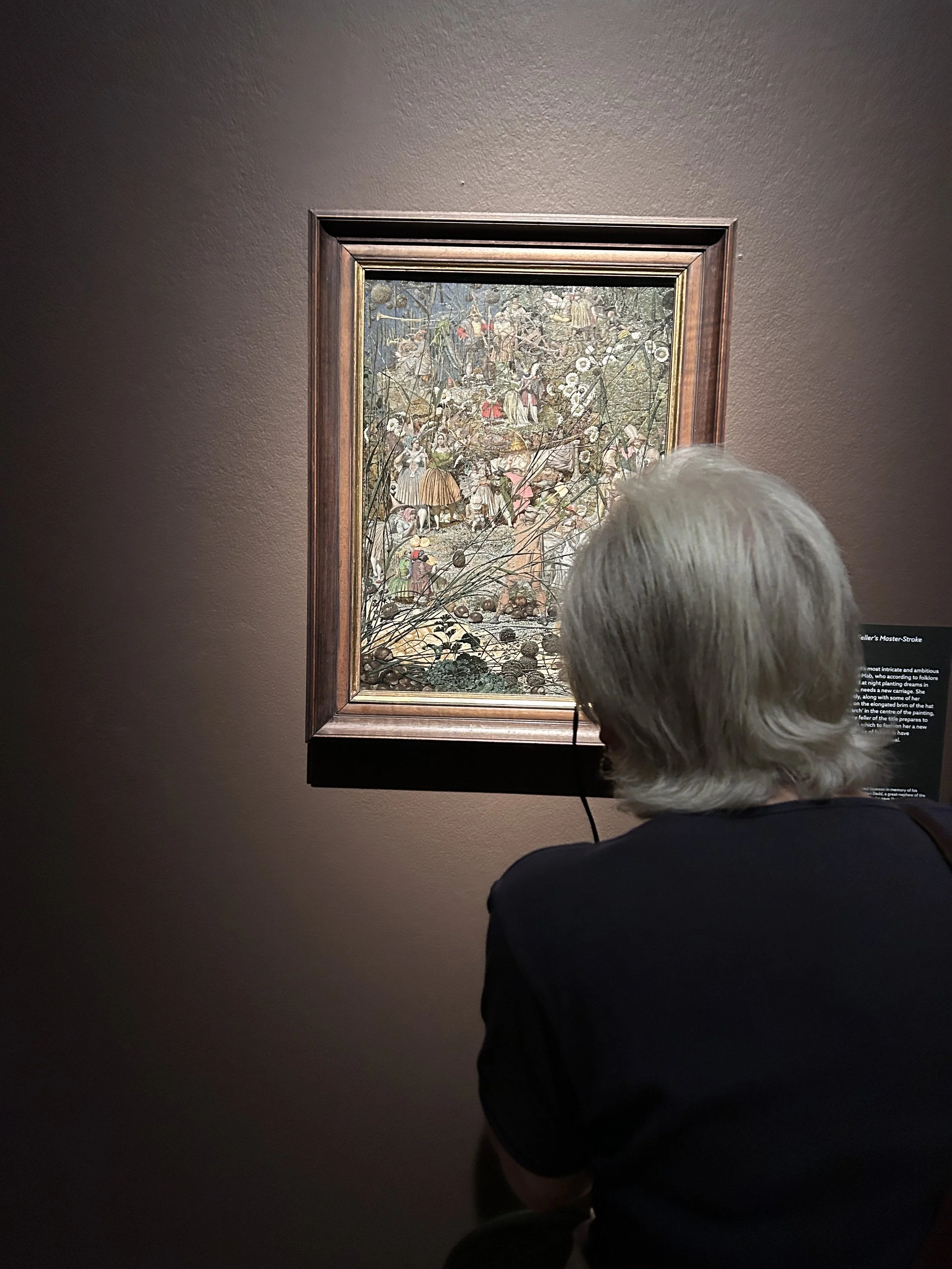
All in all a very worthwhile gallery visit. And as I was in London for the day I also visited the Barbara Hepworth exhibition at the Cortauld Gallery, and both the Summer Exhibition and the Richard Dadd exhibitions at the Royal Academy. It was a particular treat to see Dadd’s masterpiece - painted while he was in ‘Bedlam’ asylum - The Fairy Feller’s Masterstroke.
I first learned about this painting back in the 1970s when a track of the same name appeared on Queen’s second album (called Queen II). Freddie Mercury’s lyrics quite literally describe the painting and all of the characters that feature in it. I remember, as a teenager, poring over an image of it while listening to the song and trying to identify the junketer, the thief, Mab and the dragonfly trumpeter. Glorious stuff.
And a glorious day out.